
"Ethiopia coffee culture"
3000 article(s) found

An introduction to the taste of coffee flavor description in Ethiopia's Xida Moshaschiso region.
President Mulatut Shawmei. He studied Chinese at Beijing language and Culture University (now Beijing language and Culture University) from 1976 to 1977; studied at the Department of philosophy of Peking University from 1977 to 1982; studied for a master's degree in the Department of National Politics of Peking University from 1984 to 1988; and studied for a doctorate in the Department of National Politics of Peking University from 1990 to 1991. He has served as a member of Ethiopia in Japan, Australia, China and other countries.

The mysterious veil of boutique coffee culture coffee
The world's first coffee tree was discovered by shepherds in Ethiopia. Up to now, coffee has been cultivated for more than 1500 years. Coffee trees are mainly planted in Latin America, Africa and Southeast Asia. In China, coffee was first introduced in 1884, and now coffee is grown in tropical areas such as Taiwan, Hainan, Guangxi and Yunnan. The main ingredients of coffee

High quality types of Ethiopian Coffee Flavor description, Grinding treatment, Taste characteristics, Manor introduction
Ethiopia is recognized as the birthplace of coffee and the birthplace of all kinds of coffee we taste today. it plays an important role in the history of coffee development. With respect and admiration for the birthplace of coffee and the long-standing inheritance of coffee culture, Starbucks solemnly launched Ethiopian coffee with a unique taste in stores across the country from January 6 to 12.
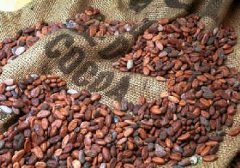
The cultural development of coffee the development process of coffee beans
Ethiopia used to chop up coffee fruits and use oil to crush them into balls and eat them as food. This practice spread to Arabia, where coffee seeds were chopped and boiled and spiced to become Cafe ala Sultana, the earliest coffee drink in history. Turkish coffee is brewed with an utensil similar to a spoon (Ibrik), a traditional method that allows deep-roasted coffee.

Boutique Coffee Culture basic knowledge Coffee along the way
Ethiopia used to chop up coffee fruits and use oil to crush them into balls and eat them as food. This practice spread to Arabia, where coffee seeds were chopped and boiled and spiced to become Cafe ala Sultana, the earliest coffee drink in history. Turkish coffee is brewed with an utensil similar to a spoon (Ibrik), a traditional method that allows deep-roasted coffee.
Recommendation of five classic coffee beans in coffee culture
1 East Timor Arabica beans, mellow, with a certain fruity aroma, a certain irritation when drunk in the mouth, miscellaneous taste in the mouth, and a dry fragrance after grinding. 2 Ethiopia lima is divided into varieties according to its origin. Beans are fruity, slightly sour, clean and fragrant, so they are more suitable for drinking alone. 3 Indonesia Mantenin's beans taste strong and have a certain degree of sweetness
The Development of Coffee Historical Communication Historical Coffee Culture
Ethiopia (7th-9th century) Arab States (Yemen) Nataka, India (1600) Ceylon (1658 Netherlands) Java (16901696 Netherlands) Amsterdam (Netherlands 1706-1710) Versailles (France around 1713) and Suriname Caribbean island countries and Guyana and Brazil Guatemala Hawaii (United States 1892 and 1825) Arab States Yemen French Bourbon Island 19

Coffee ceremony in Ethiopia experience local traditional coffee ceremony
Professional Coffee knowledge Exchange more information about coffee beans Please follow the coffee workshop (Wechat official account cafe_style) there are many different ways to make coffee today. It is very popular all over the world, and many different countries and cultures have added their own delicacies to it. In Ethiopia, they are famous for performing the so-called Ethiopian coffee ceremony. Ethiopia

Flavor description of Ethiopian Coffee Bean varieties introduction of Grinding scale Manor in Taste producing area
Ethiopian Coffee Bean Variety Flavor description Taste region Grinding scale Manor introduces Ethiopia Sidamo is a type of single origin that grows in Arabica coffee in Ethiopia's Sidamo province. Like coffee in most African countries, Ethiopian Sidamo is characterized by small gray beans, but characterized by its rich, spicy, wine or chocolate-like taste and floral aroma.

Description of smooth Panamanian Coffee Flavor introduction to the baking degree of costume culture in producing areas
In 1931, he obscure exported Kenya from Geisha Mountain Mountain in southwestern Ethiopia to Tanzania and Costa Rica, then transplanted to Panama in the 1960s, and then went through nearly half a century before he became a blockbuster, defeating the victorious armies such as Bourbon, Kaddura, Kaduai, Tibica and so on, winning 2005 in one breath.

A brief introduction to the history and culture of the origin and development of high-quality coffee beans
Producing area 90 + Ethiopia, Achira (Achilla) producing area. In the treatment of 1750 2000m above sea level, the sun flavor is full of floral smell, obvious sense of fruit juice, with the flavor of elderberry, BlackBerry, basil herbs, and similar to lactose. CoffeeReview score: 1994: 2012 Baker: Thirty Thirty Coffee Co.
Boutique coffee culture do you know the origin of coffee
About the sixth century AD, legend has it that in Ethiopia (the Republic of Northeast Africa, the full name of the Federal Democratic Republic of Ethiopia, Amharic is the national language, English is widely spoken, and the capital Addis Ababa.) On the plateau, shepherd Kaldi found that every time his sheep ate the fruit of a wild shrub, he could not help but get excited.

The Evolution of Coffee drinking patterns on the basis of Fine Coffee Culture
Ethiopia used to chop up coffee fruits and use oil to crush them into balls and eat them as food. This practice spread to Arabia, where coffee seeds were chopped and boiled and spiced to become Cafe ala Sultana, the earliest coffee drink in history. Turkish coffee is brewed with an utensil similar to a spoon (Ibrik), a traditional method that allows deep-roasted coffee.

A brief introduction to the history and culture of the origin and development of Banci Magi boutique coffee beans with full flavor.
The estate is owned by Gashaw Kinfe Desta and is very close to the town of Geisha. The town of Geisha is also the birthplace of the now well-known variety Geisha, which is now common in Panama, Costa Rica, Colombia and Guatemala. It is precisely because of the popularity of the Geisha species that it has attracted new attention to the variety Gesha in its hometown. From coffee
Boutique Coffee Culture on Coffee History and Culture
The Origin of Coffee Coffee is now an indispensable drink in our lives. how on earth did coffee, quietly grown in the depths of the quiet forest, be discovered and widely accepted all over the world? And how did it start to grow? Among the countless legends of coffee discovery, are there two legends that people enjoy talking about the most? That's the Story of the Shepherd and the Arab Monk.

Boutique coffee learn from Ethiopian Harald Coffee
Ethiopia Harald Coffee Essex is the first country in the world to grow coffee and maintain the oldest coffee culture. It still maintains a very traditional and ancient coffee growing process. Ethiopia latitudes 6 to 9 degrees north. Tropical forests 34 to 40 degrees east longitude and 1600 to 1800 m above sea level. Harald is not only the most expensive coffee in the world, but also a beautiful legend.

Egg white coffee called "Vietnamese cappuccino" coffee is a kind of culture and way of life.
Professional coffee knowledge exchange more coffee bean information please follow the coffee workshop (Wechat official account cafe_style) the origin of Gori Rosa Geisha at Chaka Manor, Rosa Village, Ethiopia, whose seeds come from the Gori Gesha Coffee Forest, about 20 kilometers away from Rosa Village. Through historical research and genetic testing, this is the birthplace of coffee for Panamanian geisha.

The Cultural basis of Coffee the Origin of the name COFFEE
The word Coffee means friendly in Arab countries. According to the legend, there are many sources of coffee names, and there are two more credible ones: the evolution of the phonetic era: Coffee is English, French is Cafe, Italian Caffe, Dutch Koffie, German Kaffee. The pronunciation comes from the Arabic word Qahwah, which means plant drink, and the Turkish word for kahveh.

Ethiopian Harar Coffee Bean Common Sense
Ethiopia Harar Coffee Ethiopia is the world's first coffee growing country and maintains the oldest coffee culture. It still maintains a very traditional and ancient coffee growing process. Ethiopia 6 degrees to 9 degrees north latitude. Tropical forest between 34 and 40 degrees east longitude and between 1600 and 1800 meters above sea level. Harald is not only the most expensive coffee in the world, but also a beautiful legend.

Harald coffee beans harar Ethiopian mocha coffee beans
Ethiopia is the first country in the world to grow coffee and maintain the oldest coffee culture. So far, it is still grown in small-scale families and maintains very traditional and ancient coffee growing techniques and methods, so pesticides and other chemical fertilizers will never be used, so Ethiopian coffee, like Yemeni mocha coffee, is the best choice for those who advocate nature.